 coolmathgames.com.es
Puzzles

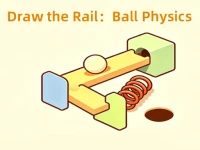

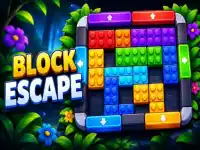
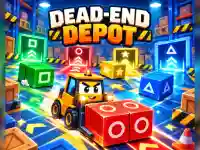



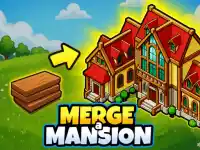











Puzzle Games For Careful Thinking And Smart Play The Puzzles category on CoolMathGames.com.es is built for players who want browser games based on logic, observation, memory, matching, sorting, and problem solving. These games move at a calmer pace than action or racing titles, but they still keep the player active through choices that matter. Every move, clue, pattern, or object can change how the puzzle develops. Puzzle games are useful because they give players a more focused way to play online. Some titles are quick and simple, while others need…Learn moreLatest update
Puzzle Games For Careful Thinking And Smart Play
The Puzzles category on CoolMathGames.com.es is built for players who want browser games based on logic, observation, memory, matching, sorting, and problem solving. These games move at a calmer pace than action or racing titles, but they still keep the player active through choices that matter. Every move, clue, pattern, or object can change how the puzzle develops.
Puzzle games are useful because they give players a more focused way to play online. Some titles are quick and simple, while others need patience and repeated attempts. This category helps players find games that test thinking without requiring fast reactions every second.
? Puzzles That Make Each Choice Matter
A strong puzzle game should make the first task clear. The player needs to know what can be selected, moved, matched, counted, arranged, or solved before the challenge becomes harder. Clear rules make the game feel fair.
Many puzzle titles start with a simple idea, then slowly ask for better planning. A matching game may begin with easy pairs. A logic game may start with one rule. A hidden object game may ask players to scan the screen more carefully. The best puzzles let players improve by noticing details.
Good Puzzles Reward Attention
The player should feel that progress comes from thinking, not from random guessing.
? Observation Games And Hidden Details
Observation puzzles are useful for players who enjoy searching, comparing, and checking small visual clues. These games may include hidden objects, difference spotting, clue-based scenes, picture memory, or object recognition. They work best when the screen is readable and the goal is easy to understand.
In this type of puzzle, speed is less important than accuracy. The player needs to slow down, scan the scene, and notice what does not fit. A good observation title gives enough information to solve the task without making the layout confusing.
Seeing Clearly Changes The Result
Small details can decide whether the player solves the puzzle or misses the obvious answer.
? Matching, Sorting, And Pattern Play
Matching and sorting games are often easy to start because the player can understand the basic action quickly. Match similar objects, group items, place pieces in order, complete a pattern, or clear a board by choosing the right move.
These games can be simple on the surface but still require focus. The player may need to think ahead, avoid wasting moves, or compare several options before acting. Pattern-based puzzles also train players to recognize repeated shapes, colors, numbers, or positions.
Simple Rules Can Build Strong Challenges
A puzzle does not need complicated controls when the decision itself is the main task.
? Logic Games With A Cool Math Feel
Some puzzle games connect naturally with math-style thinking. They may involve numbers, shapes, counting, sequences, balance, timing, order, or cause-and-effect choices. These titles fit well on CoolMathGames.com.es because they mix play with reasoning.
A good logic puzzle does not feel like a worksheet. It gives players a problem inside a playable setup and lets them test ideas. When feedback is clear, the player can understand why one choice worked and another failed. That makes the learning feel practical.
Reasoning Should Feel Playable
The best logic games make players think without turning the session into a boring test.
? Puzzle Games On Mobile, Tablet, And Desktop
Puzzle games can work well on many devices, but screen comfort still matters. On mobile, simple matching, memory, and sorting games usually feel better when buttons and objects are large enough. On tablets, bigger scenes can make hidden object or pattern games easier to read.
Desktop and laptop play can help with puzzles that include smaller clues, detailed screens, or more precise selection. Before staying with a game, players should test the first minute. If the objects are hard to see or the controls feel awkward, another puzzle may fit better.
The Screen Should Help The Player Think
A puzzle becomes weaker when the layout makes the task harder than the idea itself.
? How To Choose Puzzle Games On CoolMathGames.com.es
Start with the kind of thinking you want. Choose logic games for step-by-step reasoning, matching games for quick rules, hidden object games for careful searching, memory games for recall, and number puzzles for math-style practice.
Session length also matters. For a short break, choose a puzzle with clear rules and fast restarts. For longer play, choose titles with more decisions, clues, routes, or repeated attempts. The best puzzle is the one that matches the player’s patience and screen comfort.
Pick By Mood And Focus
A calm puzzle can still feel demanding when it asks for planning, checking, and careful moves.
? Why Players Return To Puzzle Games
The Puzzles category stays useful because it offers a slower but still active type of browser play. It lets players practice attention, memory, logic, and problem solving without the pressure of constant movement.
The category also has strong variety. One player may want a fast matching game. Another may prefer a detailed hidden object title. Another may choose a number puzzle or logic challenge. That range keeps puzzle browsing useful for repeat visits.
Fair Solutions Keep Players Coming Back
Players return when a puzzle teaches them something with each attempt and the answer feels earned.
❓ Puzzle Games Questions
What can players find in the Puzzles category? Logic, memory, matching, sorting, hidden object, pattern, number, and problem-solving games.
Are puzzle games good for short breaks? Yes, many puzzle titles have clear rules and can be tested quickly.
Can puzzle games support math thinking? Yes, some use numbers, shapes, sequences, counting, and reasoning in playable ways.
Do puzzle games work on mobile? Many do, when objects, text, and buttons are easy to see and use.
How should players choose a puzzle? Choose by focus level, screen size, available time, and the type of thinking preferred.
Play Puzzle Games On CoolMathGames.com.es
The Puzzles category helps players find browser games built around logic, memory, matching, sorting, hidden details, number practice, and careful problem solving. It is a useful section for players who want calm gameplay with real mental effort.
Choose a puzzle game, test the first minute, and keep playing when the rules feel clear, fair, and worth solving.