 coolmathgames.com.es
Brain Games



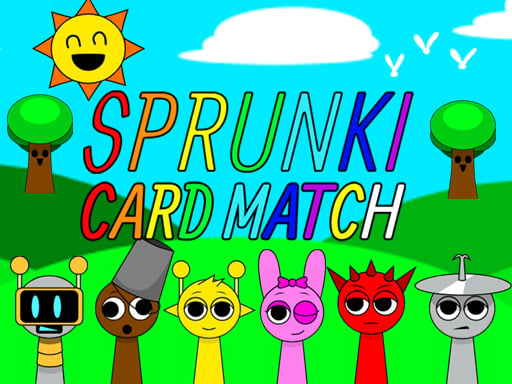


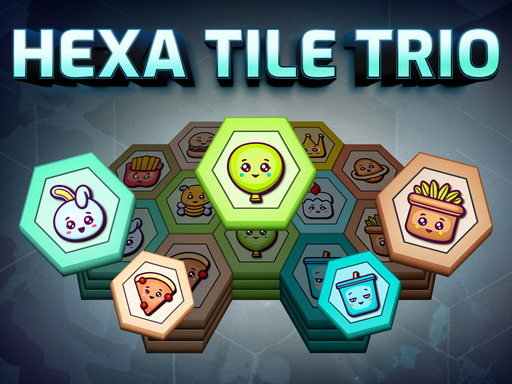

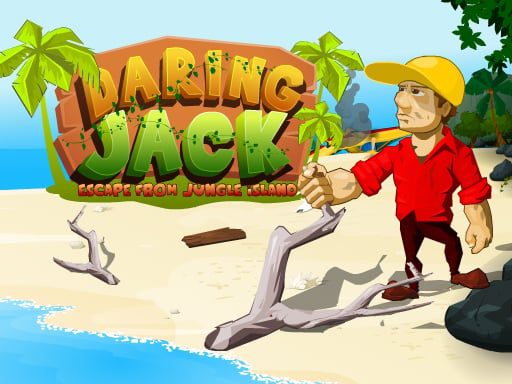

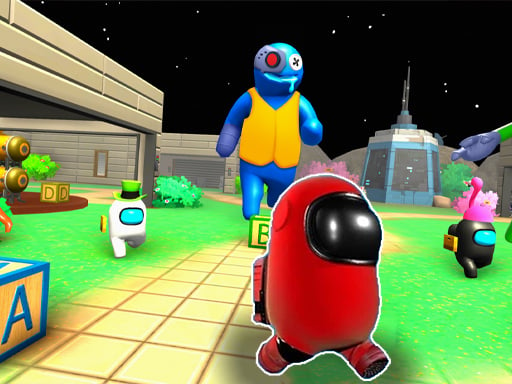


Brain games are a category of intellectually stimulating software designed to challenge and improve cognitive functions such as memory, attention, and problem-solving skills through various game mechanics and challenges. These games often involve a combination of strategy, logic, and critical thinking to progress through levels and achieve goals. By engaging with brain games, players can potentially enhance their mental agility, cognitive flexibility, and overall brain health. About Brain games Brain games involve solving puzzles, riddles, and brain…Learn moreLatest update
Brain games are a category of intellectually stimulating software designed to challenge and improve cognitive functions such as memory, attention, and problem-solving skills through various game mechanics and challenges. These games often involve a combination of strategy, logic, and critical thinking to progress through levels and achieve goals. By engaging with brain games, players can potentially enhance their mental agility, cognitive flexibility, and overall brain health.
About Brain games
Brain games involve solving puzzles, riddles, and brain teasers to progress through the game, using efficient strategies to overcome obstacles and achieve objectives; this requires players to think critically and make logical decisions to succeed.
Gameplay Mechanics
Brain games typically employ a range of game mechanics and challenges, including memory matching, pattern recognition, and problem-solving exercises, which can be adapted to suit different skill levels and learning styles. These games often feature a variety of game modes, such as timed challenges and skill-building exercises, to cater to different player preferences and learning goals, further enhancing the brain game experience.
Gameplay Mechanics
Brain games frequently utilize interactive brain training exercises, which facilitate the development of cognitive skills such as attention, processing speed, and executive functions. Brain games also often incorporate various learning pathways and difficulty levels to accommodate diverse player needs and abilities, ensuring an engaging and effective learning experience.
Tips & Strategies
To maximize the benefits of brain games, players should focus on maintaining a consistent and dedicated approach, gradually increasing the difficulty level as they become more comfortable with the game mechanics and challenges. Brain games provide a valuable opportunity for cognitive growth and self-improvement, making them an excellent addition to any learning routine.