 coolmathgames.com.es
Educational Games


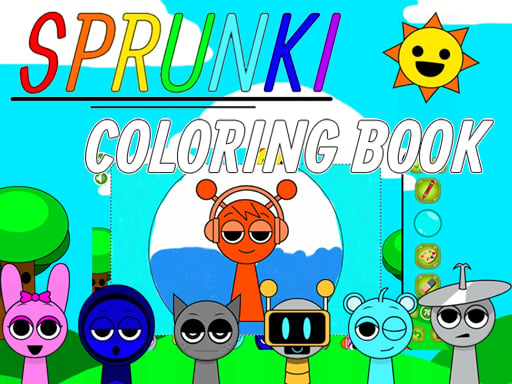






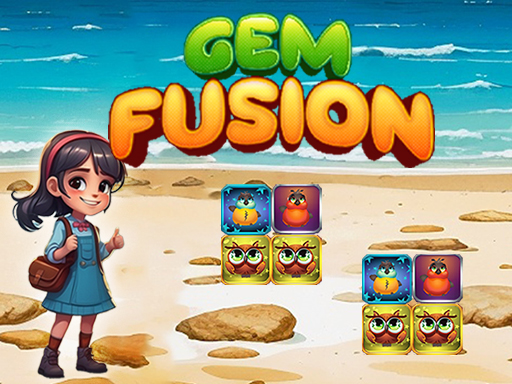
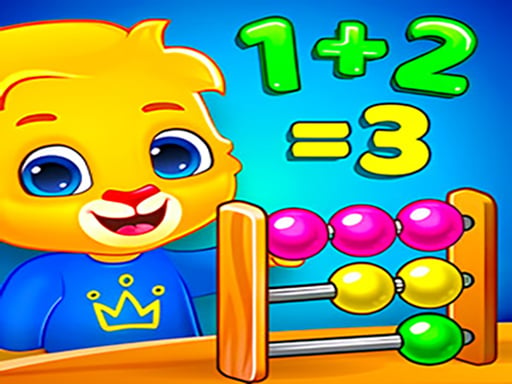

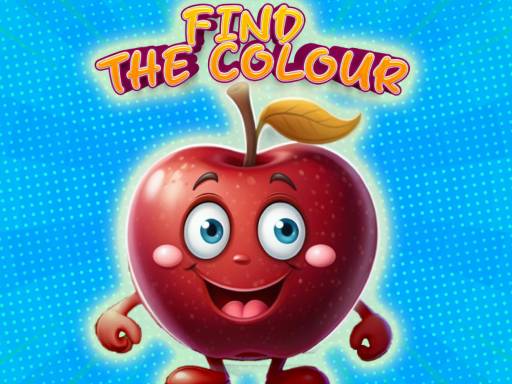




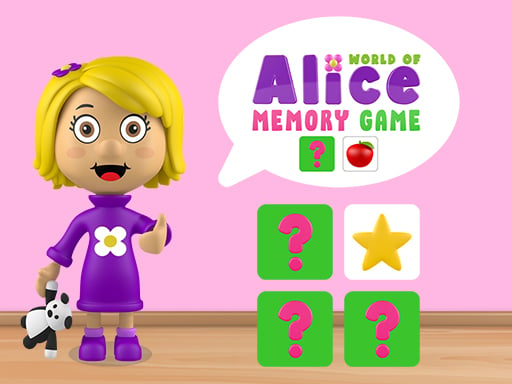
Learning and improving skills through Educational games increases cognitive abilities and enhances game knowledge. About Educational games These games provide a safe and controlled environment where players can learn new concepts and practice existing ones efficiently; thereby, improving their skills in various subjects. Gameplay Mechanics Players engage in Educational games to learn new concepts and practice existing ones through interactive activities and exercises. Gameplay typically involves interacting with virtual objects and environments to…Learn moreLatest update
Learning and improving skills through Educational games increases cognitive abilities and enhances game knowledge.
About Educational games
These games provide a safe and controlled environment where players can learn new concepts and practice existing ones efficiently; thereby, improving their skills in various subjects.
Gameplay Mechanics
Players engage in Educational games to learn new concepts and practice existing ones through interactive activities and exercises.
Gameplay typically involves interacting with virtual objects and environments to explore and understand complex ideas, such as math, science, and history.
Obstacles and challenges are an essential part of Educational games, as they help players develop problem-solving skills and perseverance.
Players can use various learning strategies, such as note-taking and self-testing, to aid in their learning process.
Tips & Strategies
Players can maintain focus by setting specific goals and breaking them down into manageable tasks; additionally, they can use various learning techniques, such as visualization and summarization, to aid in their understanding.
Players should take regular breaks to avoid burnout and maintain a consistent learning pace.
By using Educational games, players can develop a love for learning and improve their overall academic performance.
Educational Games FAQs
Q: What controls are used in Educational games? A: Players use various controls, such as mouse and keyboard, to interact with virtual objects and environments. Q: What is the main objective of Educational games? A: The main objective is to learn new concepts and practice existing ones through interactive activities and exercises. Q: Are Educational games compatible with mobile and tablet devices? A: Yes, most Educational games are designed to be played on a variety of devices, including mobile and tablet devices. Q: What is the primary mechanic of Educational games? A: The primary mechanic is interactive learning through virtual activities and exercises.