 coolmathgames.com.es
Simulation Games










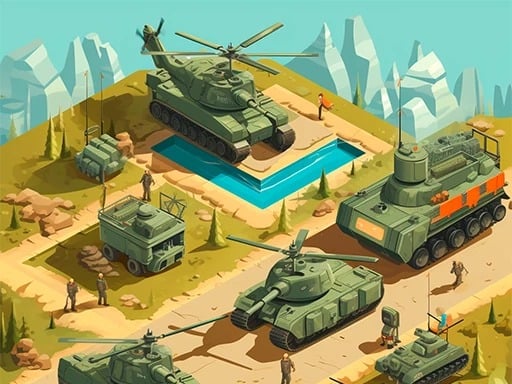


Simulation games allow players to replicate real-world experiences through interactive digital environments, often focusing on realistic simulations of everyday life or complex systems. About Simulation games Players can engage in simulation games by interacting with virtual environments and managing resources, assets, or systems to achieve specific objectives or maintain efficiency; efficiently managing resources and responding to obstacles. Gameplay Mechanics Simulation games often incorporate complex systems and mechanics, such as realistic economic…Learn moreLatest update
Simulation games allow players to replicate real-world experiences through interactive digital environments, often focusing on realistic simulations of everyday life or complex systems.
About Simulation games
Players can engage in simulation games by interacting with virtual environments and managing resources, assets, or systems to achieve specific objectives or maintain efficiency; efficiently managing resources and responding to obstacles.
Gameplay Mechanics
Simulation games often incorporate complex systems and mechanics, such as realistic economic systems, weather simulations, and realistic time cycles, which can affect gameplay and player decisions.
The simulation of real-world systems and processes can include managing traffic flow, weather patterns, and population growth, allowing players to analyze and optimize these systems.
Gameplay can also involve collecting and managing resources, such as currency, materials, or personnel, which can be used to build, upgrade, or repair assets and systems.
Tips & Strategies
Players should maintain a balanced approach to managing resources and assets, and adapt to changing circumstances to ensure the long-term success of their simulated system or environment.
It's also essential to stay up-to-date with the latest developments and changes in the simulated system, such as updates to policies, technologies, or social trends.
By analyzing and responding to obstacles and challenges, players can optimize their approach and achieve better outcomes in their simulation game.